7300 Girard Ave. Ste. 206 La Jolla, CA 92037

What Dental Veneers Actually Fix (And What They Don’t)
posted: Nov. 10, 2026.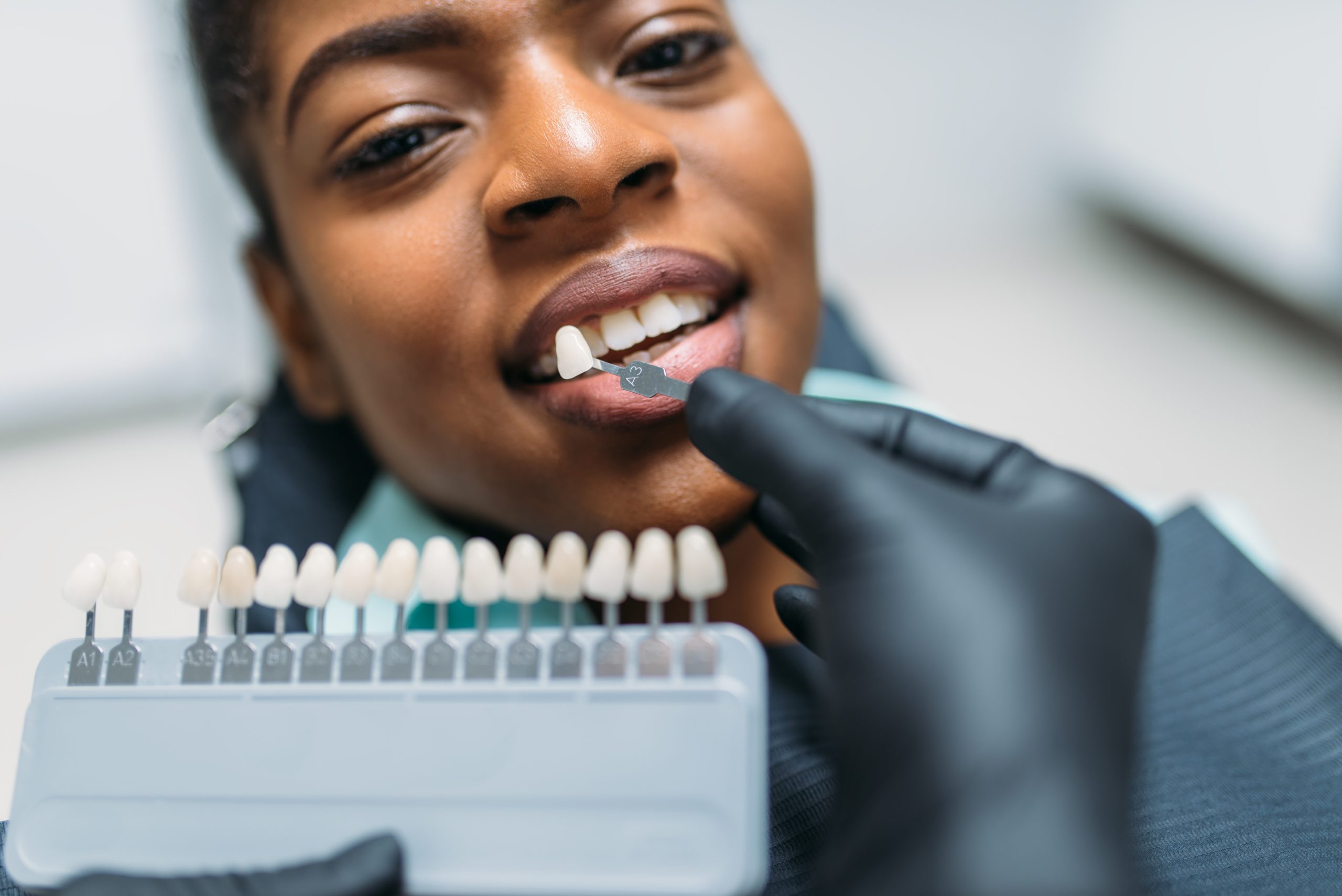
If you’ve been researching smile makeovers, veneers probably came up fast. But what dental veneers actually fix — and what they don’t — in La Jolla is something many patients aren’t fully clear on. That confusion is completely understandable. Veneers are one of the most versatile cosmetic tools in dentistry, but they aren’t a solution for every problem. This article breaks it all down clearly so you can make an informed decision.
What Are Dental Veneers, Exactly?
Dental veneers are thin shells of porcelain or composite resin. They bond directly to the front surface of your teeth. Think of them like a custom-fitted cover designed to improve how your tooth looks.
Porcelain veneers are the most common type. They’re durable, stain-resistant, and look remarkably like natural tooth enamel. Composite veneers cost less but may not last as long. Dr. Grey J. Cunningham at Cosmetic & Implant Dentistry of La Jolla helps patients choose the right type based on their goals and dental health.
Getting veneers typically involves two to three visits. Your dentist removes a very small amount of enamel from each tooth. Then impressions are taken and sent to a dental lab. Temporary veneers protect your teeth in the meantime.
What Dental Veneers Actually Fix in La Jolla
Veneers are highly effective for a wide range of cosmetic concerns. They work best when the underlying tooth structure is healthy. Here are the issues veneers commonly correct:
- Stubborn discoloration: Some stains don’t respond to whitening treatments. Veneers cover them completely.
- Chipped or worn teeth: Minor chips and wear from grinding can be concealed with veneers.
- Small gaps between teeth: Veneers can close minor spacing without orthodontics.
- Slightly crooked teeth: Mild misalignment can appear corrected with properly shaped veneers.
- Uneven or misshapen teeth: Teeth that are too small, too short, or oddly shaped respond well to veneers.
- Cracks in enamel: Superficial cracks that don’t affect tooth structure can be hidden effectively.
Results can be dramatic. Many La Jolla patients feel a significant boost in confidence after their veneers are placed. The transformation is often described as life-changing.
What Veneers Cannot Fix
This is where honest patient education really matters. Veneers are cosmetic by design. They don’t address structural or health-related dental problems. Treating those issues first is always the priority.
Veneers are not appropriate in these situations:
- Active tooth decay: Decayed teeth must be treated before any cosmetic work begins.
- Gum disease: Unhealthy gums compromise the longevity of veneers. Gum disease treatment comes first.
- Severely damaged teeth: Teeth that are extensively broken may need a Dental Crowns La Jolla solution instead.
- Missing teeth: Veneers only work on existing teeth. A missing tooth may call for a dental implant or Dental Bridges La Jolla solution.
- Severe crowding or bite issues: Significant misalignment usually requires orthodontic treatment first.
- Teeth grinding (bruxism): Untreated grinding can crack veneers over time. This must be managed beforehand.
Being upfront about limitations is part of how Dr. Cunningham approaches patient care. The goal is always a healthy, beautiful result — not just a quick cosmetic fix.
Veneers vs. Other Cosmetic Options
Sometimes patients come in asking about veneers when another treatment is actually a better fit. It helps to understand how veneers compare to other services.
Teeth whitening is a great starting point for discoloration. It’s non-invasive and more affordable. However, whitening doesn’t change the shape or size of your teeth. It also can’t fix chips or gaps.
Dental bonding uses tooth-colored resin applied directly to the tooth. It’s a faster, more budget-friendly option for minor repairs. Bonding works well for small chips or gaps. Veneers, however, offer greater durability and a more polished final appearance.
For patients with more significant structural concerns, crowns or bridges may be recommended instead. Your consultation with Dr. Cunningham will clarify which option makes the most sense for your specific situation.
What to Expect During Your Veneer Consultation in La Jolla
Your first appointment is all about assessment and conversation. Dr. Cunningham examines your teeth, takes X-rays, and discusses your smile goals in detail. There’s no pressure — just honest guidance.
Here’s a simple overview of the veneer process:
- Consultation: Review your dental health and cosmetic goals together.
- Tooth preparation: A thin layer of enamel is gently removed from each tooth receiving a veneer.
- Impressions: Precise molds are taken and sent to a dental lab.
- Temporary veneers: These protect your teeth while the permanent ones are crafted.
- Placement: Your final veneers are bonded securely and adjusted for fit and comfort.
The process is straightforward and well-tolerated by most patients. Many describe minimal discomfort. Results are visible immediately once the permanent veneers are placed.
With proper care, porcelain veneers can last 10 to 15 years or longer. Brushing, flossing, and regular checkups at our La Jolla office help protect your investment. Avoiding hard foods and wearing a night guard if you grind will also extend their lifespan.
Is a Veneer Right for You?
The best way to know if veneers are the right solution is to speak with a dentist who takes the time to evaluate your full dental picture. Not every cosmetic concern calls for veneers. But for the right patient, they deliver outstanding and lasting results.
Dr. Grey J. Cunningham and the team at Cosmetic & Implant Dentistry of La Jolla are here to help you understand your options clearly. We believe informed patients make better decisions. Book Now to schedule your appointment with our team.
Frequently Asked Questions
How long do dental veneers last?
Porcelain veneers typically last between 10 and 15 years with proper care. Composite veneers may need replacement sooner, often around 5 to 7 years. Regular dental visits and good home hygiene help extend their lifespan significantly.
Do veneers damage your natural teeth?
A small amount of enamel is removed during the preparation process. This is permanent, which is why veneers are considered an irreversible treatment. However, the amount removed is minimal and the procedure is carefully performed to protect tooth integrity.
Can veneers fix severely crooked teeth?
Veneers can improve the appearance of mildly crooked teeth. For significant misalignment, orthodontic treatment is usually recommended first. Dr. Cunningham will assess your specific case during your consultation and recommend the most appropriate path forward.
Are veneers only for front teeth?
Veneers are most commonly placed on the upper front teeth, which are most visible when you smile. They can technically be applied to other teeth, but it’s less common. Your dentist will help determine which teeth would benefit most from veneers.
What happens if a veneer chips or breaks?
Porcelain veneers are durable but not indestructible. If a veneer chips, it often needs to be replaced rather than repaired. Composite veneers can sometimes be polished or patched. Avoiding habits like biting nails or chewing hard objects reduces the risk of damage.