(858) 454-4114

Five Reasons for Your Bad Breath
posted: Aug. 12, 2026.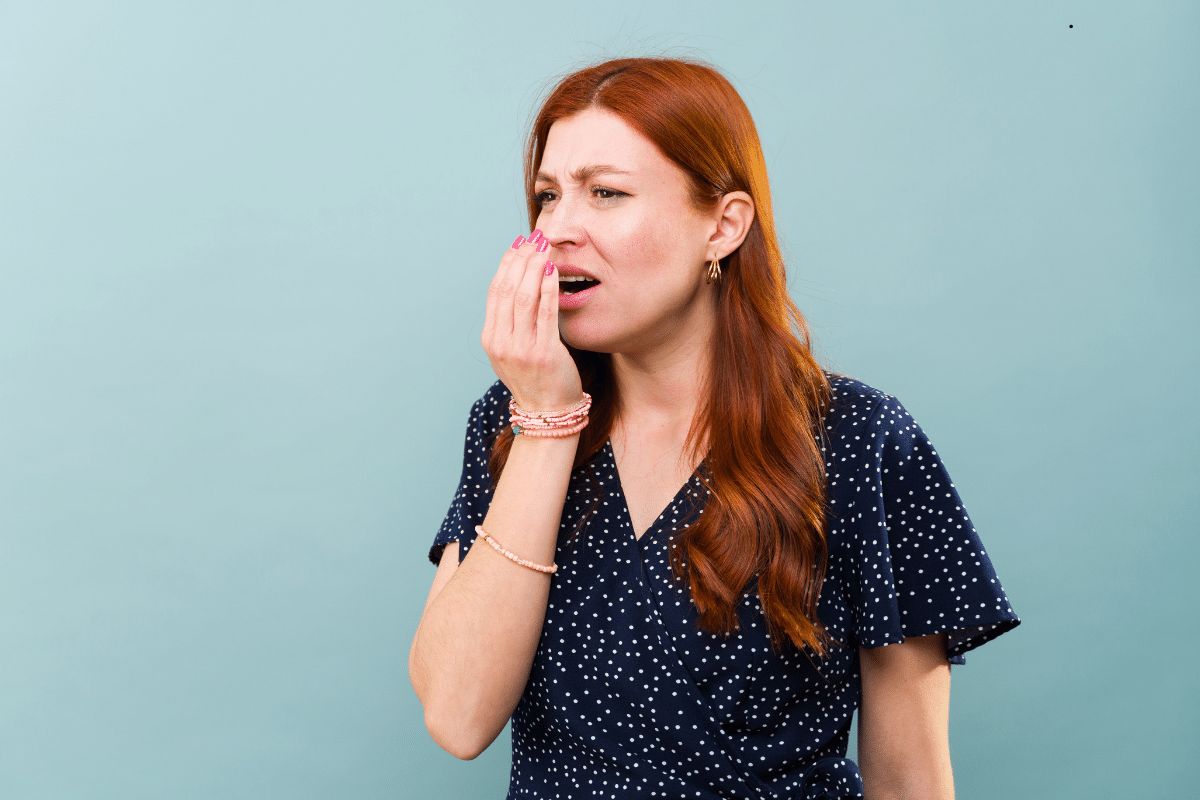
Bad breath, or halitosis, is probably not a matter of life or death. But it can make you feel self-conscious and have a negative impact on your life. The majority of people suffering from bad breath are dealing with oral bacteria. However, there are other causes of this embarrassing problem. Learning more can help you fight this solvable problem.
Five Causes of Embarrassingly Bad Breath
Chronic bad breath (halitosis) affects millions of adults and is often a key biological indicator of underlying oral hygiene gaps, bacterial imbalances, or systemic health issues. Pinpointing the exact root cause is essential for restoring fresh breath and safeguarding long-term dental health.
1. Xerostomia (Chronic Dry Mouth)
- Biological Cause: Saliva acts as the mouth’s natural cleansing agent, neutralizing acids and continuously flushing away food debris and dead cells. When salivary flow drops—commonly triggered by over 400 prescription medications, mouth breathing, or chronic dehydration—anaerobic bacteria flourish, releasing foul-smelling Volatile Sulfur Compounds (VSCs).
- Actionable Strategy: Hydrate consistently throughout the day, use alcohol-free moisturizing oral rinses, and chew sugar-free gum containing xylitol to actively stimulate salivary glands.
2. Plaque Accumulation & Periodontal (Gum) Disease
- Biological Cause: Infrequent brushing or improper flossing allows a sticky bacterial film (plaque) to calcify into hard tartar along the gumline. As gum disease progresses into periodontitis, deep bacterial pockets form around the teeth, harboring odor-producing microbes that cannot be reached by surface brushing alone.
- Actionable Strategy: Brush twice daily for two minutes using a fluoride toothpaste, floss daily, clean the back of the tongue with a dedicated tongue scraper, and keep up with biannual professional dental cleanings.
3. Dietary Triggers & Metabolic Byproducts
- Biological Cause: Ingredients rich in sulfur compounds—such as garlic, onions, and certain spices—are broken down during digestion, enter the bloodstream, and travel to the lungs, where they are exhaled during respiration. Additionally, low-carbohydrate diets (ketosis) cause the body to burn fat for fuel, generating a distinct chemical breath odor (acetone).
- Actionable Strategy: Drink water throughout meals to wash away lingering food particles, rinse after consuming aromatic foods, and ensure balanced nutritional intake.
4. Tobacco Use & Smoking
- Biological Cause: Smoking and smokeless tobacco deposit lingering chemical compounds in the soft tissues of the mouth, severely reduce salivary flow, and restrict blood circulation to the gums. This drastically accelerates tissue decay and significantly raises the risk of periodontal disease and oral cancers.
- Actionable Strategy: Speak with a healthcare provider about structured smoking cessation programs and schedule routine oral cancer screenings during regular dental visits.
5. Systemic Health Conditions & Underlying Infections
- Biological Cause: Halitosis can originate outside the mouth. Upper respiratory infections, sinus blockage, tonsil stones, gastroesophageal reflux disease (GERD), unmanaged diabetes, and kidney or liver dysfunction can all produce distinct metabolic breath odors.
- Actionable Strategy: If halitosis persists despite meticulous home care and clean dental checkups, consult your primary care physician for a comprehensive medical evaluation.
We are Your Ally
Even if you maintain good oral hygiene, it’s important to see the dentist at our La Jolla office to deal with or avoid problems with bad breath. We can help you uncover the cause of halitosis, while also providing solutions that allow you to enjoy fresh breath without relying on mints and breath fresheners. As is the case with all things related to oral health, we are your number-one ally when it comes to eliminating the problem of bad breath.