7300 Girard Ave. Ste. 206 La Jolla, CA 92037

Flossing Fact or Fiction? 7 Common Claims, Sorted Out
posted: Nov. 18, 2026.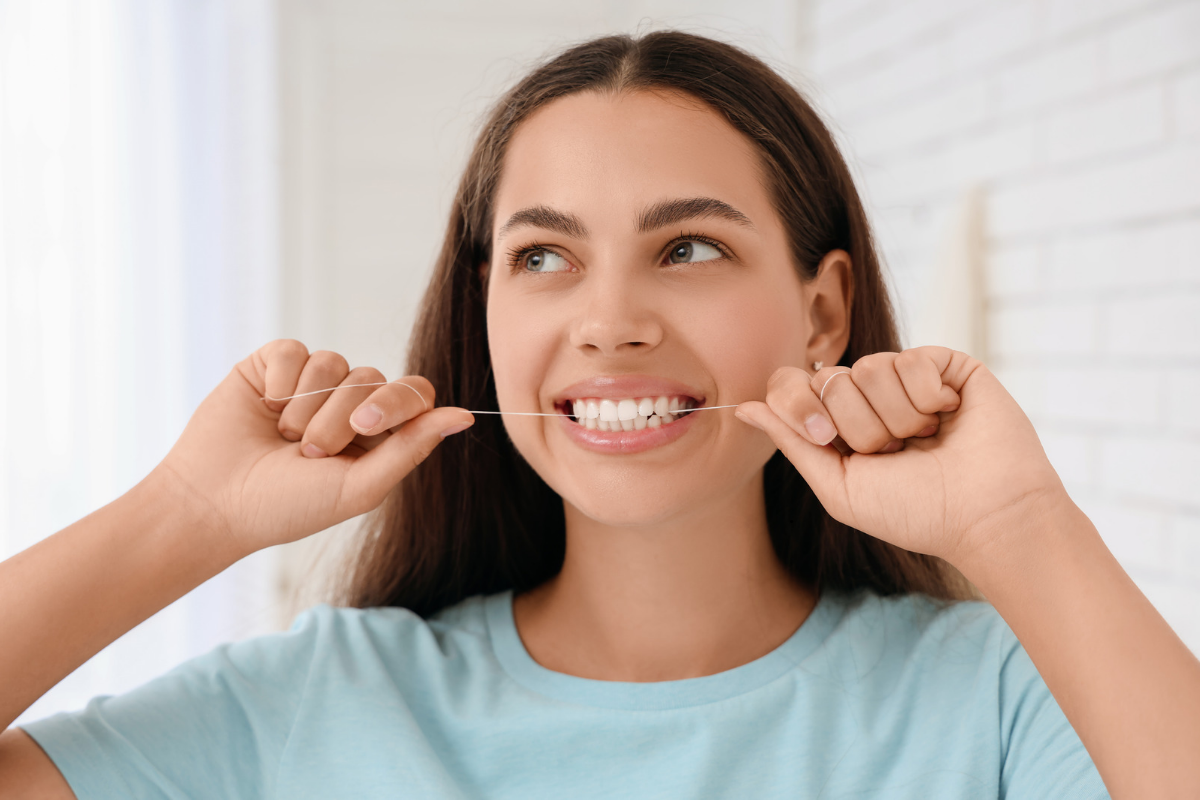
Ask a room full of people whether they floss every day and you’ll get a lot of awkward laughter. Flossing is one of those habits everyone knows they should have, and few people feel great about. Add a few headlines over the years suggesting it might be overrated, and it’s no wonder confusion is common.
So what’s true? Let’s sort through seven common claims.
Claim 1: “Brushing alone cleans everything.”
Fiction. A toothbrush can’t reach the tight spaces between teeth, where a lot of plaque hides. Those surfaces make up a significant part of each tooth, and they’re where cavities and gum disease often begin. Cleaning between your teeth is what completes the job.
Claim 2: “If my gums bleed, I should stop flossing.”
Fiction. Bleeding usually means inflammation from plaque that’s been left there. Stopping lets the problem grow. Most people see the bleeding settle down within a week or two of gentle, consistent flossing. If it continues, or if your gums are swollen or painful, that’s a reason to get checked, not a reason to quit.
Claim 3: “Flossing is only for people with tight teeth.”
Fiction. Even if your teeth have gaps, food and plaque collect along the gumline and between teeth. Wider spaces might call for interdental brushes instead of string floss, but everyone needs some form of cleaning there.
Claim 4: “Water flossers are just as good as string.”
Partly fact. Water flossers are excellent for rinsing debris, cleaning around braces, bridges, and implants, and making the habit easier for people with limited dexterity. For many patients, string floss or interdental brushes still do a better job scraping sticky plaque off tooth surfaces. The ideal routine often combines tools. Your hygienist can show you which mix suits your mouth.
Claim 5: “It doesn’t matter whether I floss before or after brushing.”
Fact. What matters most is doing it thoroughly and doing it daily. Some people find flossing first loosens debris so fluoride toothpaste reaches more of the tooth. Others prefer the reverse. Choose the order you’ll stick with.
Claim 6: “Flossing hurts, so I must be doing it wrong.”
Often fact. Snapping floss down onto the gums can cause irritation. Instead, slide it gently between teeth, curve it into a C-shape against one tooth, and glide up and down along the surface and just under the gumline. Then repeat on the neighboring tooth. If it still hurts, let us know, since sore gums or a rough filling edge could be the cause.
Claim 7: “If I have dental implants or veneers, I don’t need to floss.”
Fiction, and an important one. Implants can’t get cavities, but the gum and bone around them can become inflamed and infected, a condition called peri-implantitis. Veneers and crowns also have edges where plaque collects. Cleaning around restorations protects your investment and helps them last.
A Simple Flossing Routine
- Pick a tool you’ll realistically use: string floss, floss picks, interdental brushes, or a water flosser.
- Choose a consistent time, such as right after dinner or before bed.
- Use about 18 inches of floss, winding most of it around one finger and a clean section around the other.
- Clean each tooth surface, including the back of your last molars.
- Rinse and spit.
If you keep floss next to your remote or in your bag, you’ll use it more often. Many of our patients tell us that stashing a pack in the car or at the office made the biggest difference.
Why Professional Care Still Matters
Even people who floss well build up tartar, which is hardened plaque that only professional tools can remove. A preventative dentist in La Jolla looks at the whole picture: your gums, your bite, early signs of wear, and anything you can’t see at home. A great at-home routine and regular cleanings work together.
Preventive care isn’t only about avoiding fillings. Research links gum disease with broader health concerns, including diabetes and heart disease. If you live an active, outdoorsy life around La Jolla, staying ahead of oral health problems is part of staying healthy overall. Whether you’re seeing a preventive dentist in La Jolla for the first time or the fiftieth, an honest conversation about what’s hard for you helps us find solutions that fit your life.
Frequently Asked Questions
1. How often should I floss?
Once a day is the standard recommendation. Consistency matters more than perfection.
2. Is it okay to floss only the teeth that feel dirty?
Better to clean all of them. Plaque doesn’t always announce itself.
3. Are floss picks as effective as regular floss?
They can be a good option, especially for people who find string floss awkward. Use a fresh section or a new pick for each area to avoid moving bacteria around.
4. Can kids floss?
Yes. Start when two teeth touch each other, usually with help from a parent.
5. What if I just can’t make flossing a habit?
Tell us. We can suggest easier tools and strategies, with no lecture involved.
Let’s Get You Flossing With Confidence
The truth isn’t complicated: cleaning between your teeth works, and it works best alongside regular professional care. If you have questions about technique, tools, or your gum health, Dr. Grey Cunningham and our team at Cosmetic & Implant Dentistry of La Jolla are here to help. Book your visit through ddslajolla.com or give our office a call.
**Disclaimer: This content should not be considered medical advice and does not imply a doctor-patient relationship.