(858) 454-4114

Common Wisdom Teeth Problems and What to Do About Them
posted: Jun. 26, 2026.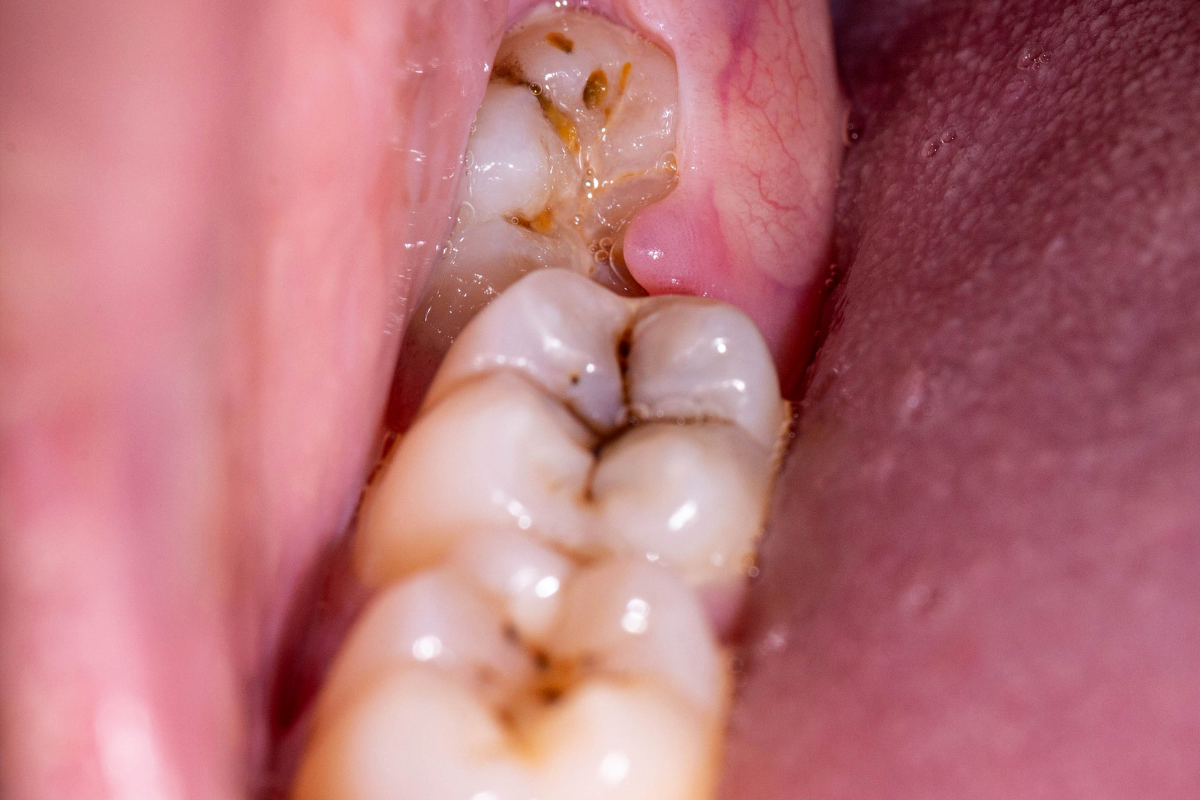
Wisdom teeth have an outsized reputation for trouble, and in many cases that reputation is earned. These third molars, the last teeth to develop, typically emerge between ages 17 and 25, often arriving in a jaw that simply does not have enough room for them. The result is a set of predictable problems that affect a significant majority of people at some point, ranging from mild discomfort to genuine dental emergencies that need prompt attention.
For La Jolla residents, many of whom are students or young professionals connected to UC San Diego and the surrounding academic and biotech community, exactly the age range where wisdom teeth issues commonly emerge, knowing what to watch for and when a situation has become urgent is genuinely useful. If a wisdom tooth problem escalates quickly, knowing when to call an emergency dentist in La Jolla can make the difference between a manageable visit and a much more difficult night.
1. Impaction
Impaction occurs when a wisdom tooth does not have enough room to emerge fully or correctly, becoming stuck against the bone, gum tissue, or an adjacent tooth. Impacted wisdom teeth can grow at an angle toward neighboring molars, horizontally within the jaw, or remain fully or partially trapped beneath the gum line. Impaction itself does not always cause symptoms immediately, but it sets the stage for several of the other problems on this list.
2. Pericoronitis
This is one of the most common acute wisdom tooth problems. When a tooth is partially erupted, a flap of gum tissue often remains over part of the crown. Food particles and bacteria become trapped beneath this flap, leading to infection and inflammation of the surrounding gum tissue. Symptoms include swelling, pain, an unpleasant taste, and difficulty opening the mouth fully. Pericoronitis can flare up suddenly and become quite painful within a short period — this is a common reason for urgent dental visits.
3. Crowding and Damage to Neighboring Teeth
When a wisdom tooth grows at an angle, it can push against the second molar in front of it, causing crowding, pressure-related pain, and in some cases damage to the root or enamel of that adjacent tooth. This pressure can also contribute to shifting throughout the rest of the dental arch over time, undermining alignment that may have taken years of orthodontic work to achieve.
4. Cysts and Tumors
An impacted wisdom tooth that remains beneath the gum line can occasionally develop an associated cyst — a fluid-filled sac that forms around the crown of the unerupted tooth. While most are benign, cysts can grow over time, causing damage to surrounding bone, teeth, and in rare cases, nerve tissue. Routine X-rays are how these are typically caught before they become significant problems, which is part of why periodic monitoring of unerupted wisdom teeth matters even when there are no symptoms.
5. Decay in Hard-to-Reach Areas
Even fully erupted wisdom teeth present a hygiene challenge simply due to their position at the very back of the mouth, where a toothbrush and floss are harder to maneuver effectively. This makes wisdom teeth more prone to decay than other teeth, and decay in this location can progress significantly before it becomes noticeable, given how difficult the area is to inspect without professional equipment.
When a Wisdom Tooth Problem Becomes an Emergency
- Significant swelling of the face, jaw, or neck — particularly if it is spreading or affecting your ability to swallow or breathe comfortably
- Severe pain that is not responding to over-the-counter pain medication
- Fever accompanying jaw or tooth pain — a sign that an infection may be spreading beyond the local area
- Difficulty opening the mouth, swallowing, or breathing
- A bad taste or discharge associated with significant pain, suggesting an active infection
Any of these warrant a same-day call rather than waiting for a routine appointment. Infections in the wisdom tooth area are close to important anatomical structures in the head and neck, and what starts as localized swelling can progress quickly if untreated.
Frequently Asked Questions
Q: Do all wisdom teeth need to be removed?
A: No. Wisdom teeth that erupt fully, in proper alignment, and can be cleaned effectively may not need removal. The decision depends on individual anatomy, X-ray findings, and whether problems have already developed or are likely to develop. A thorough evaluation is the only way to know for certain.
Q: At what age should wisdom teeth be evaluated?
A: Typically in the late teens, when the teeth are developing but before full eruption — this is often the ideal window for assessment and, if needed, removal, because the roots are not yet fully formed and recovery tends to be easier.
Q: I have had pericoronitis before. Will it come back?
A: Pericoronitis often recurs if the underlying cause — a partially erupted tooth with a persistent gum flap — is not addressed. Recurrent episodes are a common reason for recommending extraction of the affected tooth.
Q: What should I do if I am having a wisdom tooth emergency outside of business hours?
A: Call the office — many practices, including Cosmetic & Implant Dentistry of La Jolla, provide guidance for after-hours situations. For severe swelling that affects breathing or swallowing, an emergency room visit may be necessary before a dental appointment can be arranged.
Do Not Wait Out a Wisdom Tooth Problem
Wisdom teeth issues rarely resolve on their own, and they have a tendency to escalate quickly once symptoms begin. If you are experiencing pain, swelling, or other concerning symptoms, Dr. Grey Cunningham and the team at Cosmetic & Implant Dentistry of La Jolla are ready to help. Schedule an evaluation today by calling (858)4544114.
**Disclaimer: This content should not be considered medical advice and does not imply a doctor-patient relationship.